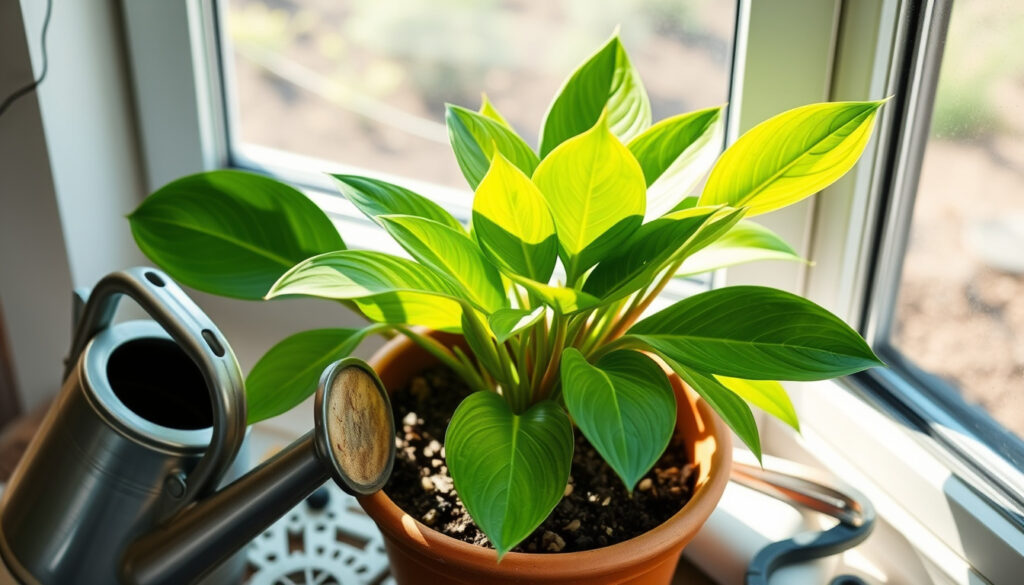
Cast Iron Plant: Complete Aspidistra elatior Care Guide
The Cast Iron Plant earned its name the old-fashioned way—it simply refuses to quit. Native to the forest floors of Japan and Taiwan, Aspidistra elatior spent the Victorian era proving it could survive gaslight, smoke, and exactly zero attention from its owners.
Scientific Name: Aspidistra elatior · Preferred Temperature: 60°F to 75°F · Light Tolerance: Low to medium · Pot Size Example: 17cm pot, 70cm height · Common Names: Cast Iron Plant, Bar Room Plant
Quick snapshot
- Thrives in 60-75°F (15-24°C), tolerates down to 45°F (7°C) short-term (Healthy Houseplants PDF Guide)
- Non-toxic to pets and humans (Healthy Houseplants PDF Guide)
- Low to moderate indirect light preferred; direct sun causes leaf scorch (Healthy Houseplants PDF Guide)
- Exact percentage of air pollutants removed by Aspidistra elatior in indoor settings remains unquantified by peer-reviewed studies (Botanix)
- Flowering frequency is highly variable; most indoor plants rarely bloom at all (Botanix)
- Specific cultivar differences in care requirements not well-documented (Botanix)
- Growth accelerates in medium indirect light versus low-light conditions (Cheeky Plant Co)
- Too little light causes pale leaves and loss of variegation in patterned varieties (Patch Plants)
- North-facing windows are ideal for indoor placement (Cheeky Plant Co)
- Best time for repotting and rhizome division is spring (Cheeky Plant Co)
- Reduce watering and stop fertilizing during autumn and winter months (Cheeky Plant Co)
- Supplement light with LED grow lights 6-12 inches above if natural light is insufficient (Healthy Houseplants PDF Guide)
The plant specifications below summarize the key characteristics verified across multiple care guides and nursery sources.
| Attribute | Details |
|---|---|
| Scientific Name | Aspidistra elatior |
| Common Names | Cast Iron Plant, Bar Room Plant |
| Native Region | East Asia (Japan, Taiwan forest floors) |
| Mature Height | 70cm in 17cm pot |
| Hardiness | Survives neglect, low light, dry air |
| Light Preference | Low to moderate indirect light |
| Temperature Range | 60-75°F (15-24°C); short-term tolerance to 45°F (7°C) |
| Humidity Tolerance | 40-60% |
| Toxicity | Non-toxic to pets and humans | Growth Rate | Slow; faster in medium light vs. low light |
Is a Cast Iron Plant a Good Houseplant?
For rooms that barely see daylight, the Cast Iron Plant answers questions most houseplants refuse to ask. Its tolerance for low-light conditions and infrequent watering makes it one of the most forgiving green companions you can bring home. Unlike finicky ferns or humidity-hungry tropicals, Aspidistra elatior thrives where other plants struggle—north-facing windows, dim hallways, offices with fluorescent lighting and zero natural sun.
The nickname fits. Botanix experts describe Aspidistra as “the toughest houseplant,” while Patch Plants calls it “practically bomb-proof.” That level of resilience doesn’t come from accident—it evolved on the forest floors of Japan and Taiwan, where it learned to survive under dense canopy with minimal light and infrequent rainfall (Botanix, Patch Plants). You can’t really kill it through neglect, but you can absolutely kill it with too much attention—overwatering is the main way owners do it in.
Low Light Tolerance
The Cast Iron Plant tolerates low-light better than most houseplants and actually prefers it over bright direct sun. According to Plant Delights Nursery, it tolerates low-light better than bright light and performs well with several hours of bright indirect exposure (Plant Delights Nursery). Simply Trees confirms it does well in low-light but appreciates indirect light for maintaining vibrant foliage color (Simply Trees).
If your only viable spot is a windowless room, supplement with LED grow lights positioned 6-12 inches above the plant for 12-14 hours daily. Without supplemental lighting, growth will be minimal and leaves may pale, but the plant survives.
Neglect Resistance
Cheeky Plant Co notes that the cast-iron plant has “earned its nickname from its near-indestructible nature.” It resists pests and diseases far better than most houseplants, and it forgives missed waterings without dropping leaves in protest (Cheeky Plant Co). This makes it ideal for frequent travelers, busy professionals, or anyone who’s killed every plant they’ve ever owned.
Indoor Suitability
In temperate regions, some gardeners grow Cast Iron Plant outdoors as shade groundcover. However, for most indoor contexts—especially those with cold winters—pots that can move indoors are the practical choice (Cheeky Plant Co). The plant handles indoor humidity levels of 40-60% without complaint and rarely needs misting.
How Do You Take Care of a Cast Iron Plant?
The care routine for Aspidistra elatior is refreshingly simple: keep it on the dry side, avoid direct sun, and don’t fertilize aggressively. That’s essentially the whole story. But getting those specifics right matters if you want the plant to look its best rather than just surviving.
Watering Needs
The Healthy Houseplants Guide puts it plainly: “Cast Iron Plant prefers to be kept on the drier side.” Allow the top 1-2 inches of soil to dry out between waterings. The plant is drought-tolerant and actually performs better with slight underwatering than with consistently moist soil (Healthy Houseplants PDF Guide). Botanix confirms this pattern, advising to let soil dry slightly before watering abundantly and explicitly noting the plant “dislikes constantly moist soil” (Botanix).
Overwatering kills Cast Iron Plants faster than any other mistake. Root rot develops in waterlogged soil, and because the plant grows slowly, recovery from root damage takes months—if it recovers at all.
Soil and Potting
Well-draining soil is essential. Plant Delights Nursery recommends using a mix rich in organic matter with perlite or sand added to improve drainage (Plant Delights Nursery). Standard potting mix amended with coarse perlite or pumice works well. Ensure your pot has drainage holes—standing water in the pot base is a fast track to root rot even if you’re careful about watering frequency.
Fertilizing Schedule
Fertilize sparingly. The Healthy Houseplants Guide recommends applying a balanced fertilizer only once or twice during the growing season (Healthy Houseplants PDF Guide). Cheeky Plant Co suggests diluted liquid fertilizer every 4-6 weeks in spring and summer, stopping entirely in autumn and winter when the plant’s growth slows (Cheeky Plant Co). Botanix adds that shade-grown specimens typically need no fertilizer at all (Botanix).
Does a Cast Iron Plant Need Full Sun?
No—and this is one of the most important things to understand about Aspidistra elatior. Direct sunlight scorches its leaves, causing discoloration and brown tips that mar the plant’s appearance for months. The Healthy Houseplants Guide specifically warns against placing this plant in full sun conditions, where leaf damage occurs readily (Healthy Houseplants PDF Guide).
Ideal Light Conditions
The plant prefers low to moderate indirect light. Cheeky Plant Co describes its native habitat as dappled shade and notes it is “well-suited to north-facing windows” in typical indoor settings (Cheeky Plant Co). Botanix confirms it is “very shade tolerant,” with growth accelerating in medium light conditions but full sun being explicitly avoided (Botanix).
Shade Tolerance
Cast Iron Plant genuinely thrives in low-light areas without much natural sunlight. However, Patch Plants notes that “too little light causes pale leaves” and can trigger loss of variegation in patterned varieties (Patch Plants). Signs of inadequate light include slower growth, smaller new leaves, and faded color in formerly vibrant specimens.
Sun Exposure Risks
Direct sun—whether from south-facing windows or outdoor placement in summer—causes visible leaf damage. Brown tips, bleached patches, and scorched spots appear within days of exposure. Once damaged, leaves do not heal; you must wait for the plant to produce new growth to restore its appearance. Prevention is the only real solution—never place this plant where direct sunlight reaches its foliage.
What Are Common Problems with Cast Iron Plants?
Despite its reputation for indestructibility, the Cast Iron Plant faces a handful of predictable issues—most of which trace back to care mistakes rather than inherent weaknesses.
Pest Issues
Cheeky Plant Co notes that Aspidistra elatior is “resistant to pests and diseases compared to other houseplants” (Cheeky Plant Co). Spider mites occasionally appear, particularly in dry indoor conditions, but they rarely reach the infestation levels seen on more vulnerable species. Mealybugs can occasionally take up residence at the base of leaves. Manual removal with a cotton swab dipped in rubbing alcohol handles minor outbreaks effectively.
Overwatering Signs
Yellowing leaves, mushy leaf bases, and soil that stays wet for days after watering point to overwatering. The fix is straightforward: stop watering, allow the soil to dry completely, and ensure your pot has adequate drainage. In severe cases, repotting into fresh, well-draining soil after trimming rotted roots may be necessary.
If you see white fungal growth at the base of the plant, this may indicate Southern blight—a soil-borne disease that thrives in consistently moist conditions. Remove affected plants promptly and sterilize containers before reuse.
Leaf Damage Causes
Brown leaf tips typically result from underwatering or low humidity, though occasionally from fertilizer salt buildup in the soil. Brown patches in the center of leaves usually indicate direct sun exposure. Pale or yellowing leaves suggest the plant is receiving too much light (if accompanied by crisp, damaged edges) or insufficient light (if leaves are uniformly faded and growth has slowed). The Healthy Houseplants Guide specifically identifies “slower growth, smaller leaves, and loss of variegation” as signs of inadequate light (Healthy Houseplants PDF Guide).
What Is the Lifespan of a Cast Iron Plant?
With proper care, a Cast Iron Plant lives for decades. The Victorian-era specimens that populated dim parlors and hotel lobbies across Europe and North America were often passed down through generations—a testament to the plant’s exceptional longevity when its minimal needs are met.
Lifecycle Facts
Aspidistra elatior is a slow-growing plant that produces new leaves incrementally over months and years rather than weeks. According to the Healthy Houseplants Guide, growth is measured in leaves added per season rather than inches per month (Healthy Houseplants PDF Guide). This slow pace actually benefits the plant owner: there’s no need for frequent repotting or constant pruning to maintain a presentable appearance.
Longevity Factors
Temperature stability within the 60-75°F range, well-draining soil, and appropriate watering (erring on the dry side) contribute to long plant life. The species tolerates short-term temperature drops to 45°F without dying, making it more cold-tolerant than many tropical houseplants. However, prolonged exposure to freezing temperatures kills it, which is why container-grown specimens are moved indoors in frost-prone climates (Cheeky Plant Co). For more information on this topic, please visit how long does a period last.
Historical Popularity
The Cast Iron Plant’s Victorian popularity wasn’t accidental. Gas lighting, coal smoke, and inconsistent care were facts of life in 19th-century homes, and most houseplants couldn’t handle those conditions. Aspidistra elatior thrived where others failed, earning its enduring reputation as the plant that survives neglect, dark corners, and whatever else domestic life threw at it. That legacy continues today in office buildings, hotel lobbies, and apartments where bright-light plants simply wouldn’t survive.
“The cast-iron plant has earned its nickname from its near-indestructible nature.”
— Cheeky Plant Co
“Aspidistra are so hard to kill they’re practically bomb-proof.”
— Patch Plants
Upsides
- Exceptional low-light tolerance for dim indoor spaces
- Non-toxic to pets and humans—safe around curious animals
- Drought-tolerant; survives missed waterings
- Resistant to most common houseplant pests
- Long lifespan measured in decades with proper care
- Minimal fertilizer requirements
- Handles temperature fluctuations better than most tropicals
Downsides
- Slow growth rate—minimal visual progress over months
- Direct sun causes irreversible leaf damage
- Overwatering leads quickly to root rot
- Rarely flowers indoors; bloom is unremarkable when it occurs
- Variegated varieties lose patterns in low light
- Not widely available at mainstream garden centers
- Leaves are not particularly showy compared to other houseplants
How to Propagate a Cast Iron Plant
Propagation through rhizome division is the standard method for Aspidistra elatior. This process is straightforward but requires patience, given the plant’s naturally slow growth rate.
- Time it right: Divide rhizomes in spring during repotting, when the plant is entering its active growth phase (Cheeky Plant Co).
- Remove from pot: Tip the pot and gently slide the root ball free, shaking off excess soil to reveal the rhizome structure.
- Identify divisions: Look for natural separations in the rhizome where multiple leaf clumps connect. Each division should have at least 2-3 healthy leaf stalks and a portion of the root system attached.
- Cut cleanly: Use a clean, sharp knife to separate the sections. Avoid crushing or tearing the rhizome.
- Pot separately: Plant each division in well-draining soil amended with perlite, at the same depth it was previously growing. Water lightly and place in low-light conditions.
- Expect slow results: New growth may take 3-6 months to appear. Resist the urge to overwater or fertilize while the plant establishes.
Because the plant grows so slowly, propagation is more of a long-term investment than a quick multiplication strategy. Division every 3-5 years during repotting is typically frequent enough for most gardeners.
Benefits and Air Purifying Potential
The Cast Iron Plant offers several benefits beyond its ornamental value, though some claims warrant careful consideration.
As a non-toxic plant verified safe for pets and humans, Aspidistra elatior fills a need that many popular houseplants cannot—safe greenery for homes with cats, dogs, or small children (Healthy Houseplants PDF Guide). This alone makes it worth considering for households where other plants pose toxicity risks.
Air-purifying claims appear in several care guides, with the Healthy Houseplants Guide specifically noting “air-purifying qualities.” However, the research confidence for these claims is medium, and specific quantitative data on pollutant removal percentages is not available from peer-reviewed studies (Healthy Houseplants PDF Guide). Treat air quality improvement as a potential secondary benefit rather than a confirmed primary function.
“Cast Iron Plant prefers to be kept on the drier side.”
— Healthy Houseplants PDF Guide
What this means: for pet owners and parents seeking safe, low-maintenance greenery, the Cast Iron Plant delivers where most alternatives fail—without demanding bright light, frequent watering, or constant attention.
Related reading: houseplant phobia (long names)
This nearly indestructible foliage thrives in dim corners, earning praise in an easy low-light care overview for forgiving the neglect that kills fussier species.
Frequently Asked Questions
Can cast iron plants tolerate low light?
Yes. Cast Iron Plant tolerates low-light conditions better than most houseplants and actually prefers low to moderate indirect light. It survives in dim corners, north-facing windows, and even rooms with no natural light, though growth slows significantly in very low-light conditions.
What soil is best for cast iron plants?
Well-draining soil rich in organic matter works best. Amend standard potting mix with perlite or coarse sand to improve drainage. The plant is susceptible to root rot in waterlogged conditions, so drainage is more important than soil richness.
How often to water cast iron plant?
Allow the top 1-2 inches of soil to dry out between waterings. In most indoor conditions, this means watering every 10-14 days, though frequency varies by temperature, pot size, and season. Reduce watering significantly in autumn and winter when growth slows.
Is cast iron plant safe for pets?
Yes. Aspidistra elatior is non-toxic to both cats and dogs, as well as humans. This makes it one of the safer choices for pet owners seeking a tolerant, low-light houseplant.
How to propagate cast iron plant?
Propagate by dividing the rhizomes in spring during repotting. Separate natural clumps with at least 2-3 leaf stalks each, ensuring each division retains a portion of the root system. Pot in well-draining soil and expect slow new growth over several months.
Does cast iron plant produce flowers?
Cast Iron Plant occasionally produces a small dark purple flower that emerges at soil level, though this is rare in indoor conditions and often goes unnoticed. Flowering frequency varies widely, and the blooms are not particularly showy.
What pests affect cast iron plants?
Cast Iron Plant is notably resistant to most common houseplant pests. Spider mites and mealybugs may occasionally appear in dry indoor conditions, but infestations are typically minor and easily controlled with manual removal or insecticidal soap.
For renters seeking a plant that won’t die during vacations, dorm residents with limited window access, and apartment dwellers in north-facing units, the Cast Iron Plant solves a real problem: how to have greenery in spaces where most houseplants fail. It’s not a flashy plant—it doesn’t trail dramatically or bloom spectacularly. But for rooms that nobody else can fill, Aspidistra elatior has been doing the job for over a century, and it shows no signs of stopping.
More related posts
 Rosa Salazar: Alita Star’s Career and 2025 Setbacks
 Single Leg RDL – Proper Form, Muscles and Benefits
 Temu Discount Australia: Real Coupon Codes & How to Save
 James Gandolfini: Death, Health Struggles, Refused Scene
 Jadon Sancho: Salary, Ten Hag Fallout, and Aston Villa Future
 Pom Klementieff: Husband, Ethnicity, Age, Height, and Movies
 333 Angel Number Meaning: Love, Manifestation & More
 One Battle After Another Reviews: Critics, Spielberg, DiCaprio
