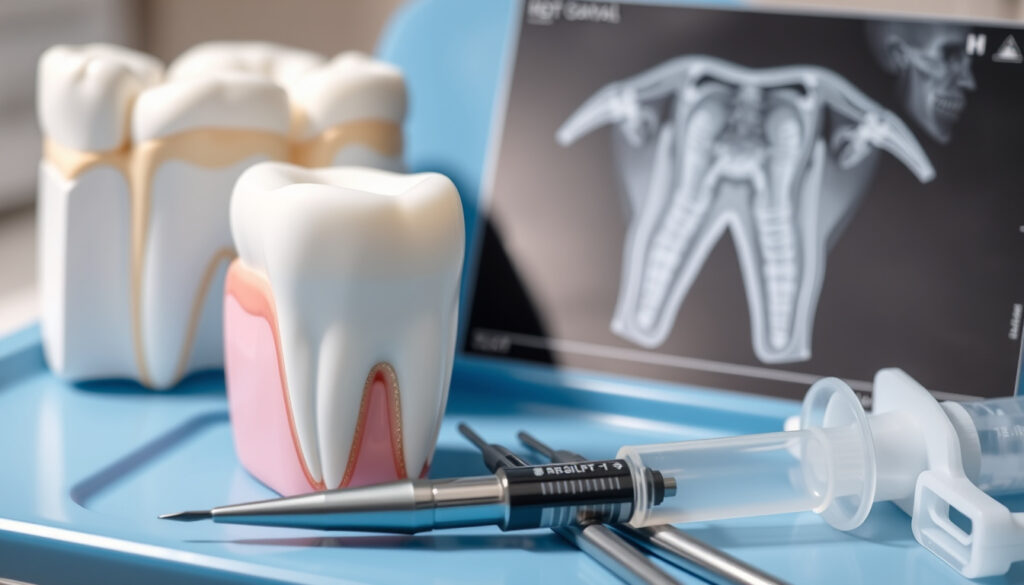
Root Canal Treatment – Procedure, Pain, Cost and Recovery
A root canal treatment removes infected or damaged pulp from inside a tooth, cleaning the area and sealing it to prevent further infection while preserving the natural tooth structure. This endodontic procedure has become a routine dental treatment that can save teeth that would otherwise require extraction.
Understanding what happens during a root canal, how long it takes, and what recovery involves can help patients feel more prepared if their dentist recommends this treatment. The procedure has evolved significantly with modern techniques and anesthesia, making it far more comfortable than the reputation it sometimes carries.
What Is Root Canal Treatment?
Root canal treatment, also called endodontic therapy, becomes necessary when the soft tissue inside the tooth—known as the pulp—becomes infected or severely damaged. The pulp contains nerves, blood vessels, and connective tissue, and when it becomes compromised, it can cause significant pain and lead to abscess formation if left untreated.
Key Facts About Root Canal Treatment
- The treatment removes infected pulp while preserving the outer tooth structure
- Modern anesthesia makes the procedure comparable to getting a standard filling
- Most teeth treated with root canals require a crown afterward for protection
- The procedure typically requires one to two dental visits depending on complexity
- Root canal treatment has a high success rate in preserving natural teeth
- Disinfecting solutions are used to eliminate bacteria and reduce reinfection risk
Root Canal Treatment Snapshot
| Aspect | Details |
|---|---|
| Pulp Removal | Infected or damaged tissue extracted from pulp chamber and root canals |
| Cleaning Process | Canals shaped and disinfected using precision dental files |
| Filling Material | Gutta-percha, a biocompatible rubber-like thermoplastic |
| Tooth Types | Molars with multiple canals require more time than front teeth |
| Sealing Method | Adhesive cement (sealer) and gutta-percha heated and compressed into canals |
| Restoration | Temporary filling placed during treatment; permanent crown or filling later |
Does Root Canal Treatment Hurt?
Contrary to common belief, root canal treatment causes very little pain. Modern numbing techniques ensure that patients feel little more than mild pressure during the procedure. Local anesthetic is administered using a small needle to numb the tooth and surrounding area, and some patients may receive additional medication to help them relax if they feel nervous.
Managing Discomfort During the Procedure
The dental dam placed around the tooth keeps it clean, protected, and free of saliva during the procedure. Patients typically report that the sensation is similar to having a deep filling placed. Some discomfort may occur in the hours following the procedure as the anesthesia wears off, but this is generally manageable with over-the-counter pain relievers.
Most patients find that any post-procedure soreness subsides within a few days. The dentist may prescribe antimicrobial medication to help prevent infection and reduce inflammation in the surrounding tissue.
Common Concerns Addressed
Many people worry about pain during root canal treatment based on outdated information or stories from decades past. However, advances in dental technology and anesthesia have transformed the experience. The procedure is designed to eliminate the source of tooth pain—the infected pulp—rather than cause additional discomfort. Patients experiencing severe tooth pain before treatment often feel immediate relief once the infected tissue is removed.
How Much Does Root Canal Treatment Cost?
The cost of root canal treatment varies depending on several factors, including which tooth requires treatment, the complexity of the case, and geographic location. Molars with multiple canals typically cost more to treat than front teeth, which usually have a single canal. Patients should consult with their dentist or endodontist for specific pricing based on their individual needs.
Many dental insurance plans cover a significant portion of root canal treatment, as it is considered a necessary procedure to preserve natural teeth. For those without insurance coverage, many dental practices offer payment plans or financing options to make treatment more accessible.
What Are the Signs You Need Root Canal Treatment?
Several symptoms may indicate that a tooth requires root canal treatment. Severe tooth pain, especially pain that worsens with chewing or applying pressure, often signals pulp damage or infection. Prolonged sensitivity to hot or cold temperatures that lingers after the source is removed can also indicate underlying pulp problems.
Recognizing the Symptoms
- Persistent or severe toothache that does not subside
- Sensitivity to temperature that lasts beyond the initial exposure
- Dark discoloration of a single tooth
- Swelling and tenderness in the surrounding gums
- A small bump or pimple-like sore on the gums near the affected tooth
- Pain that disrupts sleep or daily activities
If any of these symptoms appear, scheduling a dental examination promptly is important. Early diagnosis and treatment can prevent the infection from spreading and increase the likelihood of successful treatment. You can find more information about dental symptoms and concerns at our Apoquel Dosage and Side Effects page for related health topics, or explore our Medical Centre Locations and Guide for finding dental care providers.
Root Canal Treatment Recovery and Aftercare
After treatment, the tooth and surrounding area may feel sensitive, but this typically subsides relatively quickly due to effective anesthesia used during the procedure. The dentist may prescribe antimicrobial medication to help prevent infection in the days following treatment. If severe infection was present, the tooth may be left open to drain for one or more days, which would require a scheduled second appointment.
What to Expect After Treatment
Post-treatment care involves having the temporary filling replaced with a permanent restoration—either a filling or a crown—by a general dentist. This step is essential for fully protecting and restoring the tooth’s function, as the treated tooth can become brittle without the pulp’s nourishment over time.
Until the permanent restoration is placed, avoid chewing on the treated side of your mouth to prevent damaging the temporary filling. Maintain good oral hygiene by brushing and flossing gently around the area.
Eating and Activity After a Root Canal
Patients should wait until the numbness wears off before eating to avoid accidentally biting their cheek or tongue. Soft foods are recommended for the first day or two following treatment. Most people can return to normal activities the next day, though some may prefer to rest depending on how they feel.
Alternatives to Root Canal Treatment
The primary alternative to root canal treatment is tooth extraction, followed by replacement with a bridge, implant, or partial denture. However, preserving the natural tooth through root canal treatment is generally the preferred option when possible, as it maintains proper chewing function and prevents neighboring teeth from shifting out of position.
Dental professionals typically recommend attempting root canal treatment before considering extraction, as no replacement option perfectly replicates the function and feel of a natural tooth. The decision ultimately depends on the extent of damage, the patient’s overall oral health, and their personal preferences after discussing options with their dentist.
The Root Canal Procedure: Step by Step
Understanding the sequence of events during root canal treatment can help patients feel more at ease. The procedure follows a well-established pattern that dental professionals perform routinely.
- Examination and X-rays: The dentist assesses the extent of damage through visual inspection and dental imaging
- Local anesthesia: The area around the affected tooth is numbed using a small needle
- Dental dam placement: A rubber sheet isolates the tooth and keeps it dry and saliva-free
- Opening the crown: A drill creates access to the pulp chamber
- Pulp removal: Precision instruments carefully extract infected tissue from canals
- Cleaning and shaping: Canals are cleaned, widened, and disinfected using dental files and antiseptic solutions
- Filling placement: Gutta-percha is heated, compressed, and sealed with adhesive cement
- Temporary restoration: A temporary filling closes the opening until permanent restoration
- Permanent crown: A follow-up visit places a custom crown or permanent filling
What We Know and What Remains Uncertain
| Established Information | Information That Requires Additional Sources |
|---|---|
| Root canal procedure steps and sequence are well-documented | Specific cost ranges vary significantly by region and provider |
| Modern anesthesia effectively eliminates pain during treatment | Detailed success rate statistics require verified clinical data |
| Gutta-percha is the standard filling material worldwide | Comparative outcomes versus extraction need broader research |
| Post-treatment sensitivity typically resolves within days | Long-term retention rates beyond 10 years vary by study |
| Crown placement is typically recommended after treatment | Insurance coverage specifics depend on individual plans |
| Signs and symptoms requiring treatment are well-established | Specific risk factors for retreatment cases vary |
The Role of Root Canal Treatment in Dental Health
Root canal treatment represents one of the most significant advances in preserving natural teeth. Before modern endodontic techniques, teeth with damaged or infected pulp typically required extraction. Today, dentists can save teeth that would have been lost generations ago, allowing patients to maintain their natural smile and proper chewing function.
The treatment addresses infection at its source by removing compromised tissue and thoroughly disinfecting the canal system. This approach eliminates pain, resolves infection, and allows the treated tooth to remain functional for many years with proper care. Regular dental check-ups and good oral hygiene help ensure the long-term success of treated teeth.
What Dental Professionals Say
Dental professionals widely regard root canal treatment as a safe and effective way to preserve natural teeth. The procedure is considered one of the best options for preventing tooth loss when the pulp becomes damaged or infected.
— American Association of Endodontists
Modern dental techniques and anesthesia have made root canal treatment a routine procedure that causes minimal discomfort for most patients.
— Dental health organizations
Moving Forward After Diagnosis
If dental examination reveals the need for root canal treatment, several steps can help patients prepare. Understanding the procedure, discussing pain management options with the dentist, and planning for any necessary follow-up appointments creates a smoother experience. Most dental practices provide detailed instructions for before and after treatment.
For those experiencing symptoms that might indicate the need for a root canal, scheduling an evaluation promptly allows for the best possible outcome. Early intervention typically means simpler treatment and faster recovery. Finding a qualified dentist or endodontist in your area can help address concerns and determine the most appropriate course of action for your specific situation.
Frequently Asked Questions
Is root canal treatment safe?
Yes, root canal treatment is considered a safe and routine dental procedure. It has been performed for decades with high success rates in preserving natural teeth.
What causes failure of root canal treatment?
Treatment may fail if bacteria remain in the canals, if the sealing material breaks down over time, or if a new cavity forms under the restoration. In such cases, retreatment or surgical intervention may be necessary.
How is root canal treatment on a front tooth different?
Front teeth typically have a single canal and are easier to access, making the procedure generally quicker and less complex than treatment on molars with multiple canals.
How long does a root canal take?
Treatment duration ranges from 30 to 90 minutes depending on the complexity of the case. Simple cases may be completed in one visit, while more complex situations may require two appointments.
Do I always need a crown after root canal treatment?
In most cases, a crown is recommended to protect the treated tooth, which can become brittle over time. Your dentist will advise on the best restoration option for your specific situation.
Can a tooth still need extraction after root canal treatment?
In some cases, usually due to new decay, fracture, or persistent infection, extraction may still become necessary despite successful initial treatment.
More related posts
 Gen Alpha Years – Birth Range, Traits and Key Facts
 Cert 3 Individual Support: Guide to CHC33021 Course & Careers
 Best Hiking Shoes for Ireland: Waterproof & Lightweight
 Pom Klementieff: Husband, Ethnicity, Age, Height, and Movies
 4000km Heatwave Australia – Records Impacts Safety Tips
 IKEA BILLY Bookcase: Dimensions, Hacks, and Accessories
 Brandon Park Medical Centre: Book Appointments & More
 Nico Parker: Biography, Age, Parents, and the Nepo Baby Debate
